Energy

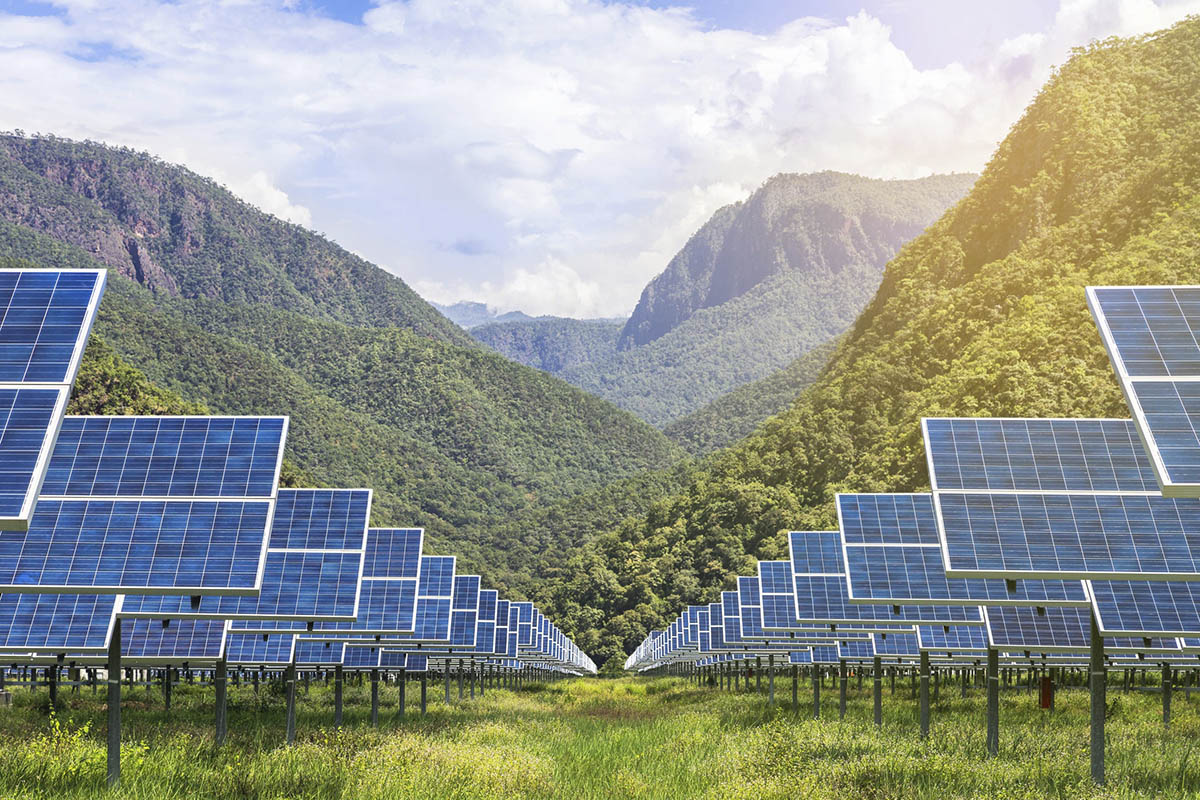
The number of companies shifting toward solar energy has increased significantly in recent years. With the coinciding rise of solar-powered generators across the globe, this transition has to do primarily with carbon footprint reduction.
Meanwhile, a couple of households have chosen to install solar panels on their abodes to save a lot on utility bills. This is a crucial reason why solar power has become an increasingly popular and practical renewable energy source.
Additionally, solar power yields many other benefits for the environment. Here are the top five advantages of solar energy on our planet.
1. Reduced Water Use
Water is one of our most important natural resources. Unfortunately, the world might be heading into freshwater depletion a few decades from now.
Water is mainly used for generator…
Read More

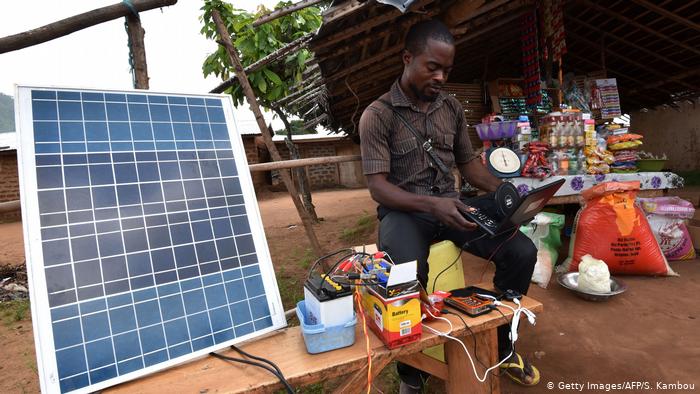
We all know that solar energy is one of the main alternative sources of electricity. It’s renewable, free, and has wide ranges of operation. This means that you can have a portable setup that harnesses solar energy or can build a large solar farm that can supply an entire city.
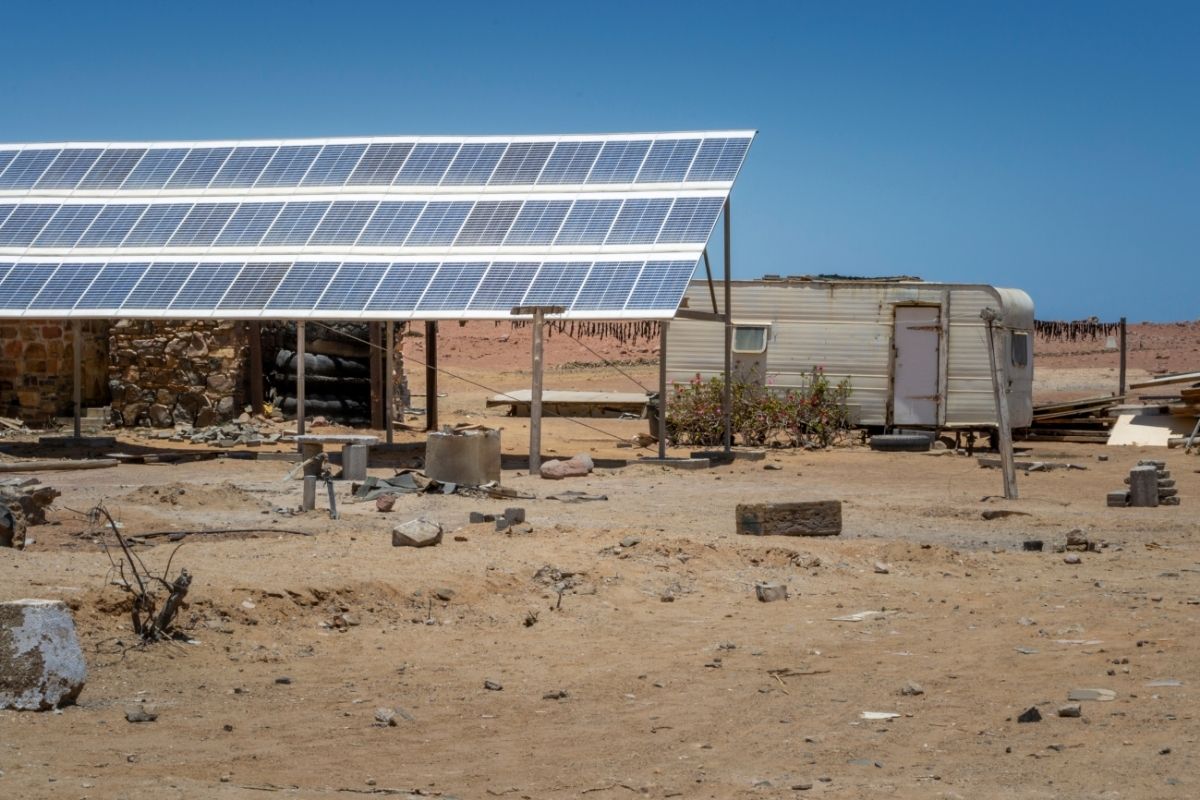
With that said, thoughts about being independent might enter your mindset. It’s only normal, especially when you can see how sustainable the solar energy systems are. However, is solar energy sufficient enough as a source when you go off the grid?
Can Solar Get You Off the Grid?
Generally, assuming that your solar energy system is planned according to your area’s dimensions, regular consumption rate, and availability of …

Read More

The 2017 reports of global electricity consumption said that 85% are still dependent on fossil fuels. Despite some powerful environmentalists’ pressures for the nation’s governments to shift to renewable energy, only 0.7% is generated from solar sources. Is the future of solar energy just an empty promise? Is solar energy a growing myth?
Energy experts posed the challenges facing solar energy: the land requirements for harvesting energy from the sun. They say that the watts harnessed per unit of land area are much lower than fossil fuels. Therefore, generating renewable energy takes way much greater land areas.
Moreover, the technological infrastructure needed for the construction of …

Read More

While non-renewable energy resources are depleting, the good news is solar energy is showing a promising future. The International Energy Agency’s (IEA) World Energy Outlook 2020 report says that there will be a 23% increase in solar energy use and an 11% increase in the wind by 2040. This projected increase is due to the analysis that solar is 20-50% cheaper.
However, IEA warned that this does not mean that global oil use will have a significant decline unless more aggressive action is pushed towards climate action. Along with the 43% rise in solar use, demand for gas could also rise-up by 30%, except if some global warming policies take a greater stance. One of these policies is the promotion of more sustainable use of energy.
The EIA cost estimation of solar electricity generation technology for developers is …

Read More

The energy crisis is looming ahead. The non-renewable energy resources that are fuel and coal continue to decline while the global economy’s demand for electricity continues to rise.
According to Forbes, electricity demand will rise by 62% and is expected to triple in capacity by 2050. Due to this looming energy crisis and forecast of rising electricity demands, energy investors are shifting their focus to the renewable industry. The International Energy Agency (IEA) reports that while the economy suffered due to COVID-19, the market for renewables is getting stronger.
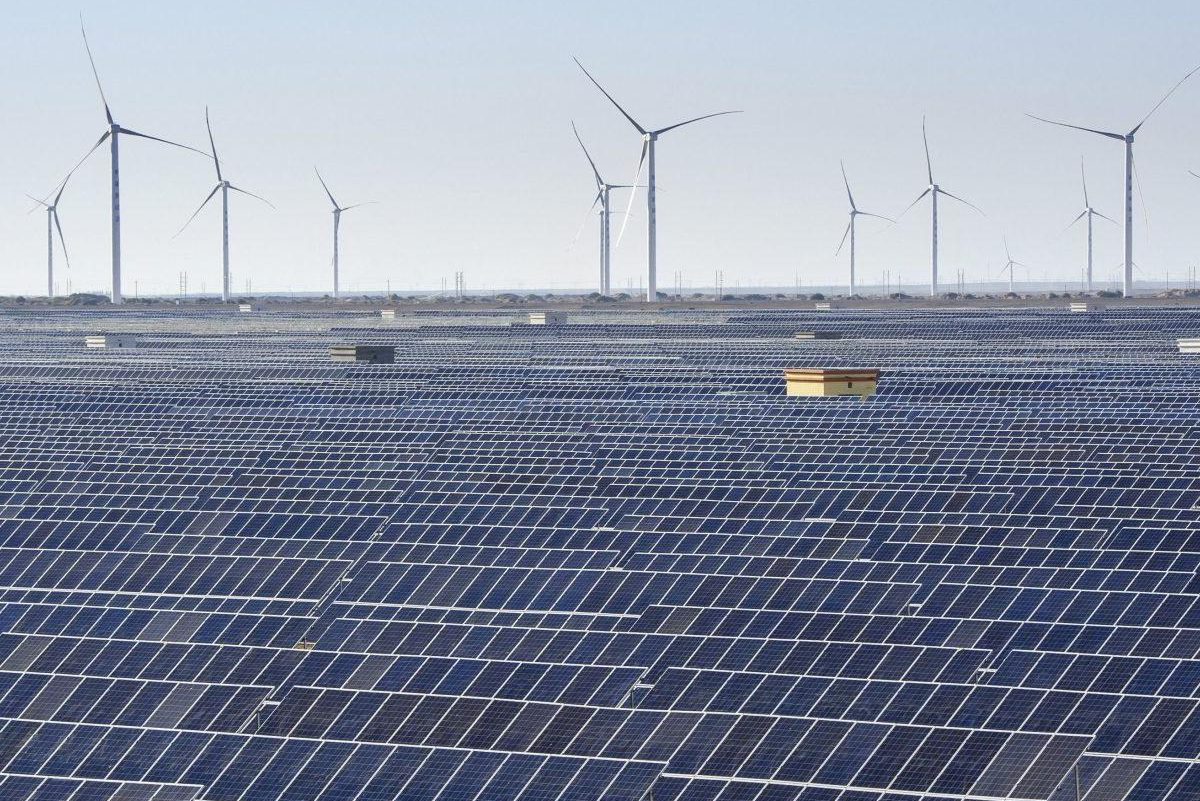
The forecast says that by 2025, Solar and Wind energy would eventually displace coal as the largest source of the world’s power. The scenario speaks of 130GW of solar will be added each year between 2023-2025 and will continue to accelerate to …

Read More