linda

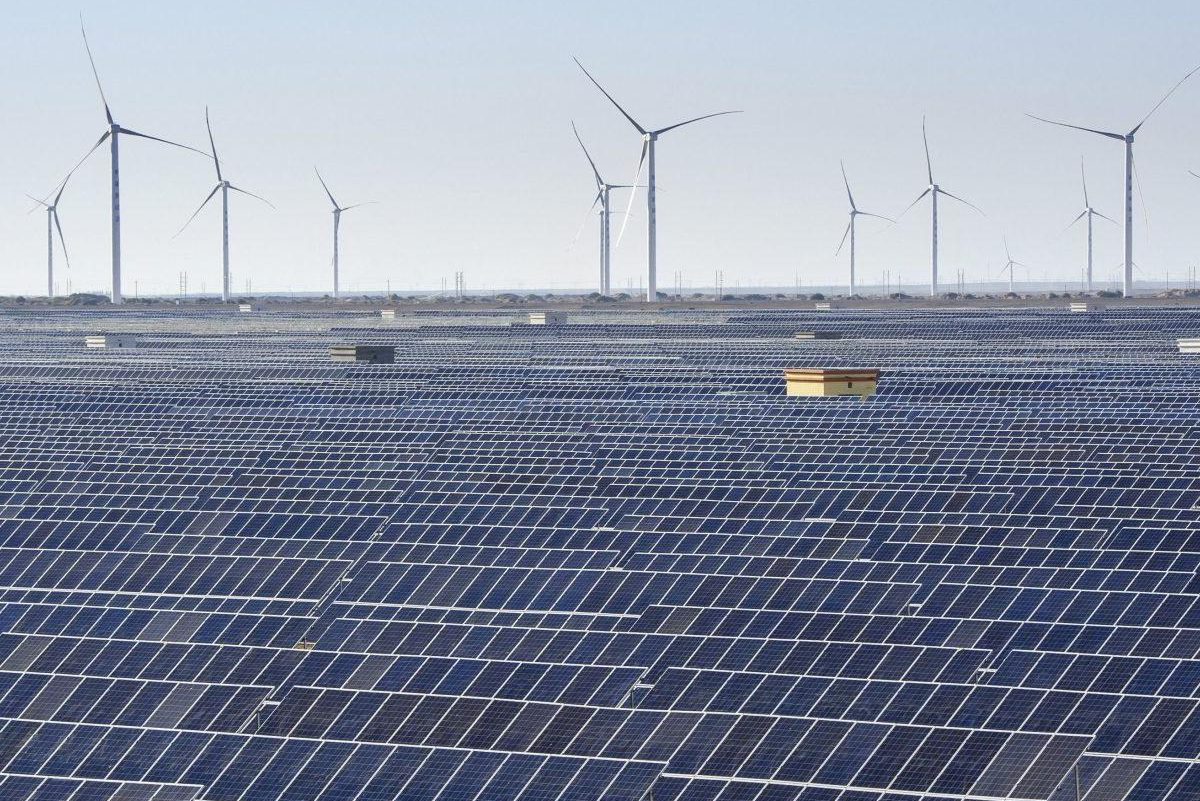
The 2017 reports of global electricity consumption said that 85% are still dependent on fossil fuels. Despite some powerful environmentalists’ pressures for the nation’s governments to shift to renewable energy, only 0.7% is generated from solar sources. Is the future of solar energy just an empty promise? Is solar energy a growing myth?
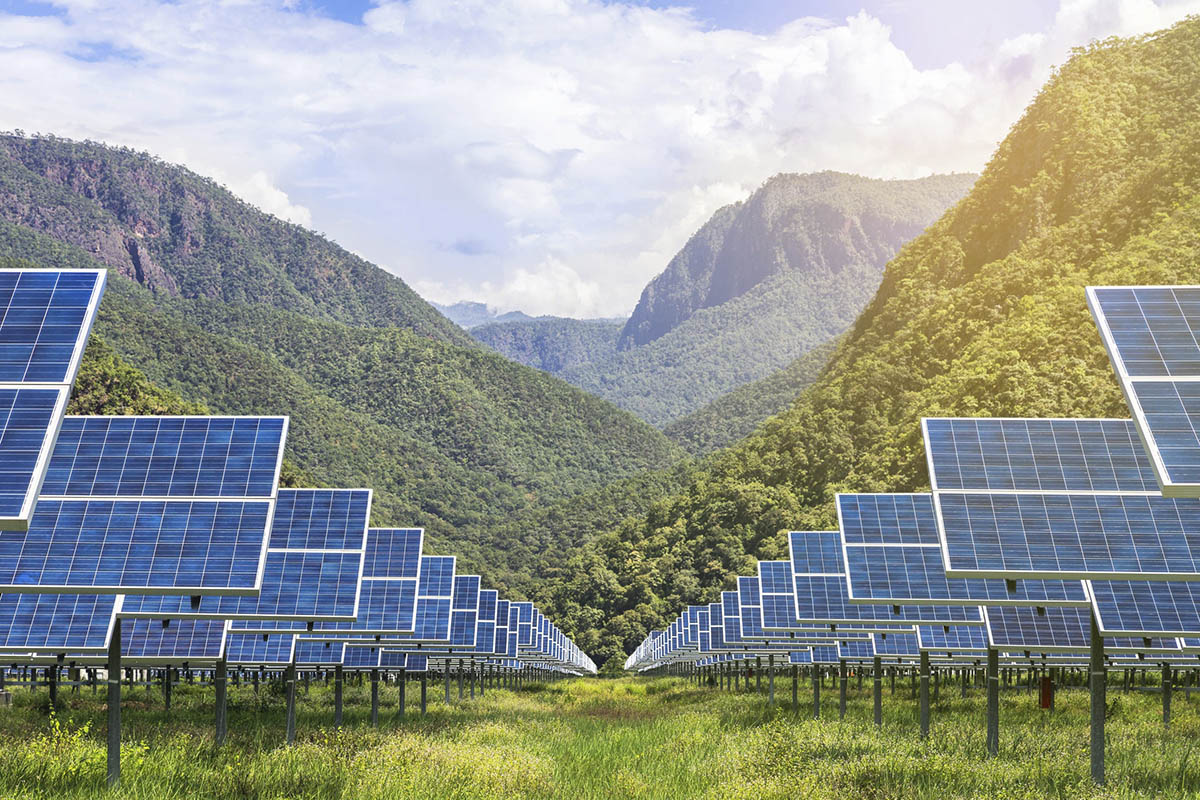
Energy experts posed the challenges facing solar energy: the land requirements for harvesting energy from the sun. They say that the watts harnessed per unit of land area are much lower than fossil fuels. Therefore, generating renewable energy takes way much greater land areas.
Moreover, the technological infrastructure needed for the construction of …

Read More

While non-renewable energy resources are depleting, the good news is solar energy is showing a promising future. The International Energy Agency’s (IEA) World Energy Outlook 2020 report says that there will be a 23% increase in solar energy use and an 11% increase in the wind by 2040. This projected increase is due to the analysis that solar is 20-50% cheaper.
However, IEA warned that this does not mean that global oil use will have a significant decline unless more aggressive action is pushed towards climate action. Along with the 43% rise in solar use, demand for gas could also rise-up by 30%, except if some global warming policies take a greater stance. One of these policies is the promotion of more sustainable use of energy.
The EIA cost estimation of solar electricity generation technology for developers is …

Read More

The ideal economic principle is to patronize your own product. The rise of the global economy has opened the floodgates of trade and industry in the global market. Although it brought many good things in terms of quality, price, and competition, it also became a ‘David versus Goliath’ arena.
In this post-pandemic period where many local businesses have closed, and unemployment has risen, relocalization can be an appropriate solution to rebuild our society. Relocalization is a “strategy to build a society based on the local production of food, energy and goods, and the local development of currency, governance, and culture” (source: postcarbon.org).
This is one mighty way to develop a resilient society during this post-pandemic period. Resilience in a societal context means (source:postcarbon.org). …

Read More

The COVID-19 has created more than enough problems from a global perspective. People look up to their leaders and anticipate the next move, the next solution, or the next program to alleviate various problems created by the COVID-19 pandemic. However, successful solutions do not only come from the greatest power, this time, but our next-door neighbors have also risen to face this global crisis with ingenuity, creativity, and sustainability despite limited resources.
For instance, the desert crop farming in Mexico where Zuni people create “waffle gardens” to store water and the Subak rice terraces in Bali. One of the best examples of local initiatives comes from a ‘less developed’ nation in Latin America, specifically from Uruguay. Despite lesser wealth, they make do of what resources they have.

Read More

The energy crisis is looming ahead. The non-renewable energy resources that are fuel and coal continue to decline while the global economy’s demand for electricity continues to rise.
According to Forbes, electricity demand will rise by 62% and is expected to triple in capacity by 2050. Due to this looming energy crisis and forecast of rising electricity demands, energy investors are shifting their focus to the renewable industry. The International Energy Agency (IEA) reports that while the economy suffered due to COVID-19, the market for renewables is getting stronger.
The forecast says that by 2025, Solar and Wind energy would eventually displace coal as the largest source of the world’s power. The scenario speaks of 130GW of solar will be added each year between 2023-2025 and will continue to accelerate to …

Read More