Month: July 2026

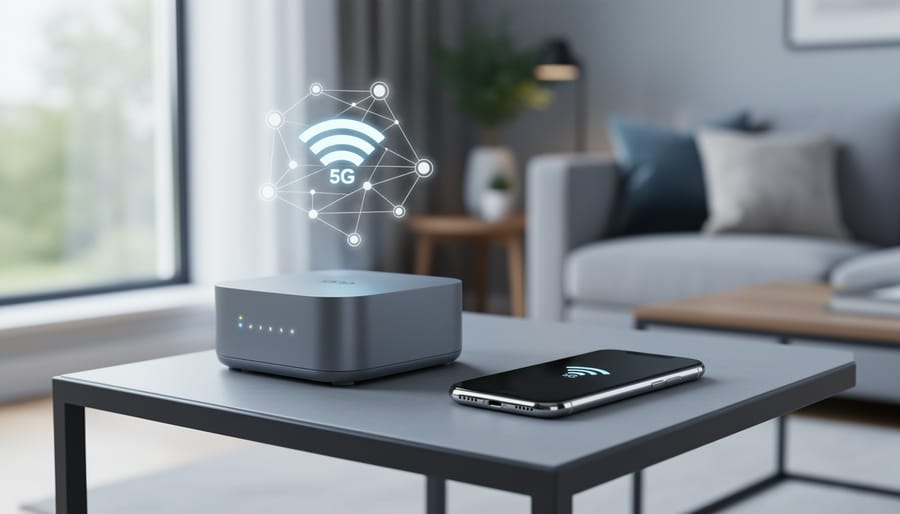
A sleek 5G home internet receiver in a modern living room next to a smartphone, suggesting wireless internet connectivity for home devices.

5G home internet is a wireless broadband service that delivers high-speed internet to your home through cellular networks instead of traditional cable or fiber-optic lines. A small receiver installed at your residence connects to nearby 5G towers, creating a Wi-Fi network for your devices without the need for underground infrastructure or professional installation.
This technology matters because it offers an alternative for households where cable companies haven’t invested in infrastructure or where service options remain limited. For communities pursuing relocalization and sustainable living, 5G home internet can reduce reliance on resource-intensive cable …
Read More
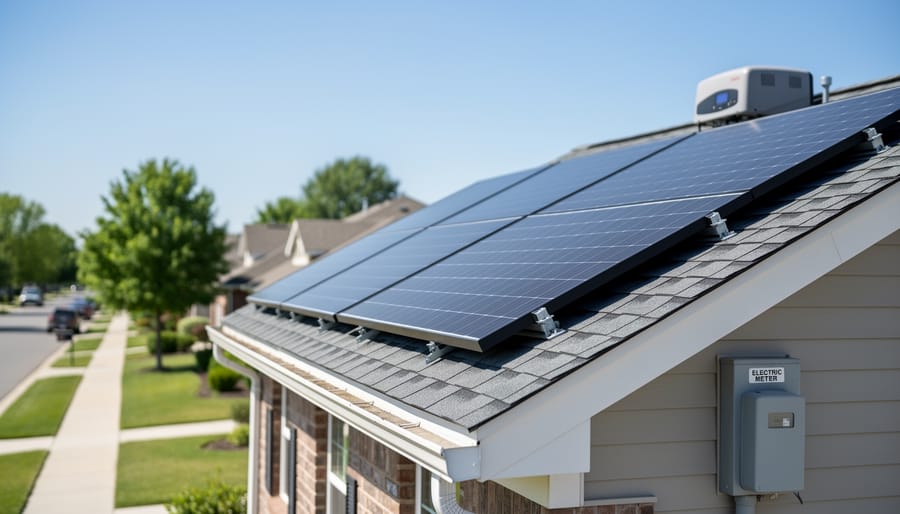
Close view of a suburban house roof with installed solar panels in sunny daylight, suggesting residential solar power in 2026.

A residential solar power system in 2026 costs an average of $31,135 for a typical 12 kW installation, or about $2.60 per watt before incentives. That figure drops to around $21,800 after applying the federal solar tax credit, making clean energy far more accessible than many homeowners expect.
The total price depends primarily on three factors: system size (measured in kilowatts), equipment quality, and installation complexity. A smaller 6 kW system suitable for modest energy needs runs closer to $15,600, while larger 15 kW systems designed for high-consumption households or those looking to eliminate grid dependence entirely can exceed $39,000. Panel brand, inverter type, battery storage inclusion, and roof characteristics all shift …

Read More