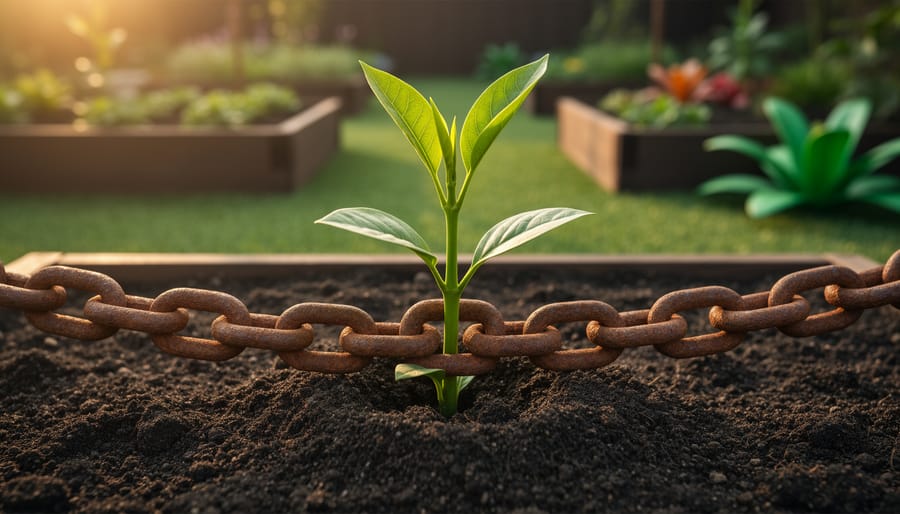
Stop. Before you consider Private Blog Networks (PBNs) like Hetneo for your sustainable living blog, understand this: they promise quick SEO gains but deliver long-term damage that directly contradicts everything your community stands for.
PBNs involve creating or purchasing networks of low-quality websites solely to manipulate search rankings through artificial backlinks. While marketers tout benefits like “instant authority” and “controlled anchor text,” these tactics violate Google’s guidelines and risk severe penalties including complete deindexing. More importantly, they’re fundamentally dishonest—the antithesis of the authentic, transparent values that define sustainable living.
Your blog exists to inspire genuine change through real community connections, practical advice, and trustworthy information. Why would you build that mission on a foundation of deception? When Google’s algorithms detect your PBN (and they increasingly do), you’ll lose everything you’ve worked to build overnight.
This article exposes the false promises behind PBN links and reveals why they’re particularly toxic for sustainability-focused content creators. More importantly, you’ll discover ethical alternatives that actually work: building authentic relationships with like-minded bloggers, creating genuinely valuable content that earns natural backlinks, and engaging with communities who share your passion for environmental stewardship.
The sustainable approach to SEO mirrors sustainable living itself—it requires patience, authenticity, and commitment to long-term health over short-term exploitation. Let’s explore how to grow your blog’s visibility the right way.
What PBN Links Actually Are (In Plain English)
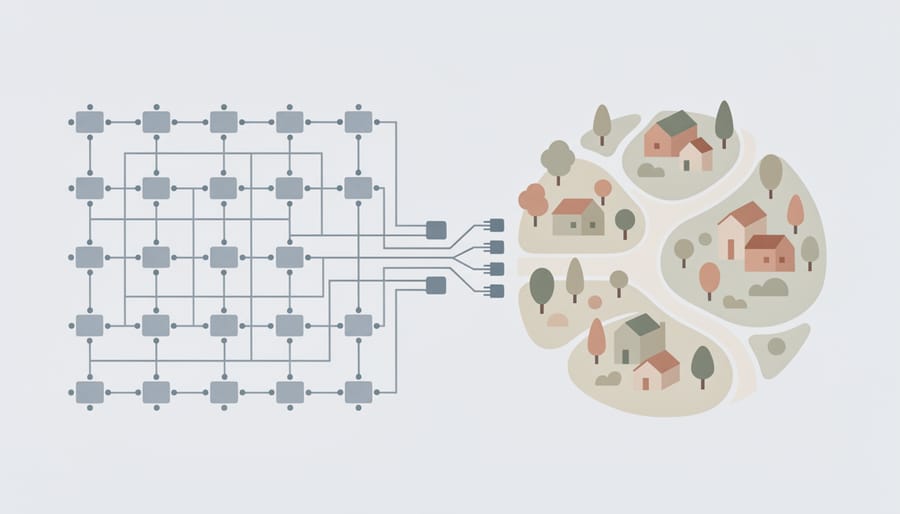
Imagine you’re starting a community garden, but instead of patiently building healthy soil and nurturing genuine relationships with neighbors, someone offers you artificial turf and plastic vegetables that look real from a distance. That’s essentially what a Private Blog Network (PBN) represents in the digital world.
A PBN is a collection of websites that exist primarily to link back to a main website, artificially boosting its perceived authority in search engines. Here’s how it typically works: someone creates or purchases multiple blogs, fills them with content, and then strategically places links pointing to the site they want to promote. From the outside, these blogs might look legitimate, but they lack real readers, genuine engagement, or authentic community connections.
Think of it like this: search engines like Google evaluate websites partly based on who links to them, similar to how you might trust a restaurant more if several friends recommend it. PBNs attempt to manufacture these recommendations by creating fake “friends” who all enthusiastically point toward the same place.
For sustainable living bloggers seeking faster growth, PBNs can seem appealing because they promise quick visibility without the time-intensive work of building genuine relationships or creating content that naturally attracts links. They’re marketed as shortcuts to ranking higher in search results, which theoretically means more readers discovering your composting tips or zero-waste recipes.
However, just as artificial turf doesn’t support real biodiversity in your garden, PBN links don’t create the authentic community connections that make sustainability blogs truly thrive. The question isn’t whether PBNs can temporarily boost numbers, but whether they align with the values of authenticity and long-term thinking that define the sustainable living movement.
The Promised Benefits That Draw Bloggers In
Quick Rankings and Visibility
The appeal of PBN links is straightforward: they promise quick results. For sustainable living bloggers eager to share important environmental messages, the idea of jumping to page one of Google search results overnight sounds tempting. PBNs are marketed as shortcuts that can dramatically increase your blog’s visibility, bringing floods of new readers to your composting guides, zero-waste tips, and renewable energy reviews.
This rapid visibility seems especially attractive when you’re competing against well-established websites. You’ve poured your heart into creating genuinely helpful content about sustainable practices, yet your articles languish on page five while less informative sites rank higher. PBN providers promise to change this situation quickly, often within weeks rather than months.
However, this quick-fix approach contradicts the very principles most sustainable living blogs stand for. Just as we wouldn’t choose fast fashion over ethically-made clothing or single-use plastics over reusable alternatives, choosing manipulative SEO tactics over authentic community-building creates problems down the road. The traffic spike from PBNs may feel rewarding initially, but it’s built on an unstable foundation that can crumble when search engines detect the manipulation.
Affordable Backlink Building
PBN providers often market their services as budget-friendly shortcuts to building authority. Instead of spending months reaching out to bloggers, crafting guest posts, or creating linkable content, you simply purchase links and watch your rankings climb. The pitch sounds appealing: why invest countless hours in relationship building when you can achieve similar results for a fraction of the cost?
For sustainable living bloggers working with tight budgets, this promise seems particularly tempting. Organic link building requires significant time investment, something many community-focused creators lack while managing gardens, workshops, and local initiatives. However, this perceived affordability masks hidden costs. When search engines detect PBN links, the penalties can devastate your blog’s visibility overnight, erasing months or years of content creation. You’ll then need to invest even more resources rebuilding your site’s reputation and recovering lost traffic.
True cost-effectiveness comes from sustainable strategies that compound over time. Authentic community connections, collaborative content projects with fellow sustainability advocates, and genuinely helpful resources naturally attract links that strengthen rather than endanger your blog’s foundation.
The Real Cost: Why PBNs Contradict Sustainable Values
The Authenticity Problem
The sustainable living movement thrives on trust, transparency, and genuine connection. When bloggers share their composting journeys, energy-saving tips, or plastic-free shopping experiences, readers expect honesty. Using private blog networks to manipulate search rankings fundamentally contradicts these values.
Think about why people follow sustainable living blogs in the first place. They’re seeking real experiences from people who practice what they preach. When you use PBNs, you’re essentially saying your content isn’t strong enough to earn links naturally, which raises a troubling question: if shortcuts are acceptable in your SEO strategy, where else might corners be cut?
The sustainable living community has built its foundation on authenticity and integrity. Community members share resources, recommend products they’ve personally tested, and trust each other’s experiences. Discovering that a blog relies on manipulative tactics to gain visibility erodes that trust quickly.
Beyond the ethical concerns, there’s a practical reality: Google has become increasingly sophisticated at detecting PBNs. When your blog gets penalized, you lose more than just rankings. You lose credibility with the very audience you worked so hard to build. Recovery takes months or years, and some blogs never regain their standing within the community.
Community Trust at Stake
Your sustainable living blog thrives on something irreplaceable: trust. When readers come to you for advice on composting, renewable energy, or reducing waste, they’re relying on your authentic expertise and commitment to genuine values. This trust becomes especially fragile when your audience discovers you’ve been using manipulative tactics like PBN links to boost your search rankings.
The sustainable living communities you serve are uniquely values-driven. These readers actively seek out transparent, honest voices who practice what they preach. They’ve likely rejected corporate greenwashing and misleading marketing countless times before finding your blog. Discovering that you’ve employed deceptive SEO strategies creates a profound disconnect between your message and your methods.
Consider Sarah’s story: after her permaculture blog was penalized for PBN use, several loyal readers reached out expressing disappointment. They felt betrayed that someone advocating for ethical consumption had taken shortcuts behind the scenes. Rebuilding that trust took years of consistent, transparent content creation.
The damage extends beyond rankings. Community members share recommendations within their networks, at farmers markets, and through local groups. When credibility crumbles, these organic endorsements disappear, taking your most valuable traffic source with them. Protecting your reputation means choosing sustainable SEO practices that align with your core mission.
What Happens When Google Catches On
When Google’s algorithms detect PBN activity, the consequences can be devastating, and unfortunately, many sustainable living bloggers have learned this the hard way.
Take Sarah’s story, for example. She ran a thriving zero-waste lifestyle blog that had grown organically over three years, building a loyal community of 15,000 monthly readers. Hoping to accelerate her growth, she invested in what seemed like a shortcut: a PBN link package. Within two months, her traffic plummeted by 87%. What took years to build vanished in weeks.
Google’s penalties come in two forms. Algorithmic penalties happen automatically when Google’s systems detect unnatural link patterns. Your rankings simply drop without warning. Manual actions are even more serious, where a human reviewer at Google examines your site and applies a penalty that appears in your Search Console with specific warnings about unnatural links.
The recovery process is lengthy and uncertain. You’ll need to identify every PBN link, attempt to remove them (often impossible since you don’t control those sites), then submit a disavow file to Google asking them to ignore those links. Even after taking these steps, recovery can take six months to a year, if it happens at all.
Consider Marcus, who documented his composting journey through a popular blog. After a PBN penalty, he spent eight months trying to recover. He eventually had to start a new domain from scratch, losing years of search engine trust and countless community connections tied to his original URL.
The sustainability community values transparency and authenticity. When your blog’s foundation is built on deceptive practices, it contradicts the very principles you’re advocating for. Your readers deserve better, and so does your hard work.
Rather than risking everything on shortcuts, focus on building genuine connections. Collaborate with other sustainability advocates, contribute valuable insights to community discussions, and create content that naturally earns links because it helps people make meaningful changes in their lives.
The Sustainable Alternative: Building Authority That Lasts
Creating Content That Naturally Attracts Links
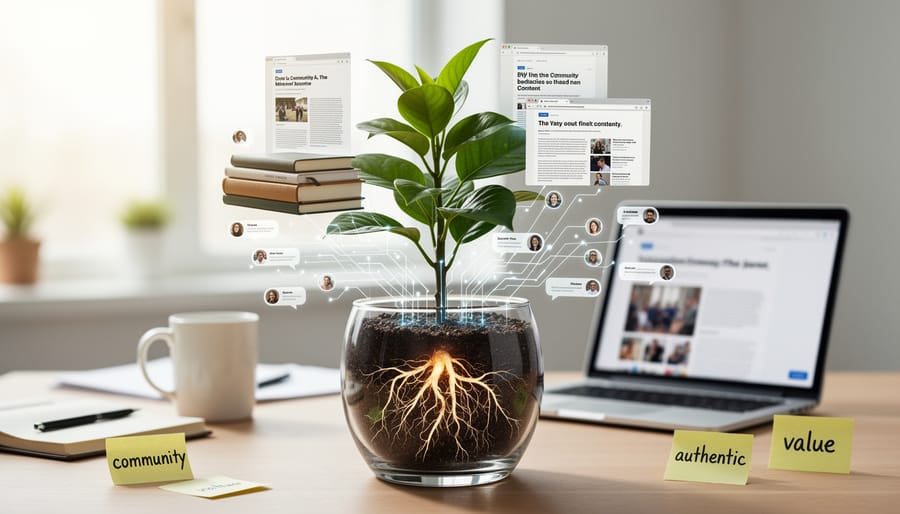
The most sustainable approach to link building doesn’t require shortcuts or manipulation. Instead, focus on creating content that naturally becomes a go-to resource within the sustainability community.
Start by developing comprehensive guides that answer real questions your audience asks. Whether it’s a detailed breakdown of composting methods for apartment dwellers or a community garden startup checklist, make your content genuinely helpful and shareable. Other bloggers and organizations naturally link to resources that save their readers time and provide trustworthy information.
Share authentic success stories from your own journey or interview community members who’ve made meaningful changes. When you document someone’s transition to solar energy or their zero-waste milestone, you create content that resonates emotionally and gets shared across social networks and sustainability forums.
Consider creating original research or surveys within your local sustainability community. Compile data about community composting participation or document the growth of local farmers markets. Original insights become reference material that educators, journalists, and fellow advocates want to cite.
Make your content easy to share by including clear takeaways, downloadable resources, and visual elements like infographics. When you invest time in quality over quantity, your content attracts links organically because it genuinely serves the community you’re part of.
Building Real Relationships in the Eco-Community
Building genuine connections with fellow sustainable living bloggers opens doors to natural link opportunities that search engines value. Start by engaging authentically on social media and blog comments, offering thoughtful insights rather than generic praise. When you share someone’s content because it genuinely resonates with your values, they notice.
Consider joining sustainable living forums, Facebook groups, and online communities where like-minded creators gather. Participate in conversations without immediately asking for links. Share your expertise freely and celebrate others’ successes. This authentic community building creates relationships that naturally lead to collaboration.
Reach out to environmental organizations and thought leaders whose missions align with yours. Offer to contribute guest posts that provide real value to their audiences. When you write genuinely helpful content, links follow organically. One sustainable lifestyle blogger shared how attending a local environmental conference led to three collaborative projects and dozens of quality backlinks, simply through face-to-face conversations and shared passion.
Remember, the sustainable living community values authenticity above all else. Focus on building friendships first, and the SEO benefits will follow naturally. These relationships often transform into podcast interviews, joint webinars, and resource-sharing opportunities that benefit everyone involved while strengthening your blog’s authority legitimately.

Local Partnerships That Boost Your Reach
Building genuine connections within your local sustainability community creates far more valuable relationships than any private blog network ever could. Start by reaching out to local environmental groups, community gardens, and farmers markets in your area. These organizations are often eager to share their stories and welcome bloggers who can amplify their message.
Consider featuring their initiatives in detailed blog posts, then share the content through their social media channels and newsletters. This mutual promotion builds authentic backlinks while strengthening your connection to the community you serve. One sustainable living blogger partnered with her neighborhood community garden, documenting their seasonal harvests and composting workshops. The garden linked to her posts from their website and Facebook page, driving engaged readers who truly cared about sustainable living.
Visit local sustainability events with your camera and notebook. Interview organizers, volunteers, and participants. These real stories resonate with readers and naturally attract links from event websites, participant blogs, and local news outlets covering environmental initiatives. The relationships you build become ongoing sources of authentic content and genuine link opportunities that search engines value because they reflect true community engagement.
Success Stories: Blogs That Grew the Right Way
Real sustainable living blogs have achieved remarkable success by staying true to their values and focusing on genuine connections rather than shortcuts. These stories demonstrate that patience and authenticity create lasting impact.
The Zero Waste Kitchen started as a small blog sharing practical tips for reducing food waste. Rather than chasing quick rankings through artificial links, founder Maria focused on creating deeply helpful content that answered real questions from her community. She spent time in Facebook groups and forums, genuinely participating in conversations and occasionally sharing relevant articles when they truly helped. Within 18 months, her comprehensive guide to composting in apartments became the most-referenced resource in multiple sustainability communities. Her traffic grew organically as readers bookmarked and shared her work. Today, she receives 50,000 monthly visitors and partners with ethical brands that align with her mission.
Green Living Collective took a different approach by building relationships with local environmental organizations. They interviewed community leaders, featured grassroots initiatives, and created resource pages highlighting regional sustainability efforts. These authentic connections resulted in natural backlinks from nonprofit websites, local news outlets, and educational institutions. Their content served dual purposes: helping readers find local resources while establishing the blog as a trusted community hub. Within two years, they ranked on the first page for dozens of location-specific sustainability searches.
Both blogs share common tactics that anyone can replicate. They published consistently, focusing on thorough, actionable content rather than frequent shallow posts. They engaged genuinely with their audiences through comments and social media, building relationships that translated into loyal readership. They collaborated with other bloggers on joint projects like sustainability challenges and resource roundups, creating natural linking opportunities. Most importantly, they measured success not just by rankings, but by real-world impact: readers implementing their advice, communities forming around shared values, and measurable environmental benefits.
These success stories prove that sustainable growth strategies align perfectly with sustainable living values. The same principles that protect our planet—patience, authenticity, community, and long-term thinking—also build blogs that endure and truly matter.
Just as you wouldn’t build a sustainable home on a shaky foundation, your blog deserves a growth strategy rooted in authenticity rather than shortcuts. The principles that guide your environmental choices—patience, integrity, long-term thinking, and community connection—are the same ones that should shape your approach to SEO.
PBN links promise quick results but ultimately contradict the values your sustainable living blog stands for. They’re the digital equivalent of greenwashing: attractive on the surface but fundamentally unsustainable. Instead, channel your energy into building genuine authority that reflects your commitment to transparency and quality.
Think about how you approach composting, energy conservation, or zero-waste living. You didn’t transform overnight, and you didn’t take shortcuts that would undermine your goals. Apply that same wisdom to your blog growth. Every authentic guest post, every meaningful community connection, and every piece of valuable content you create is like planting seeds that will nourish your blog for years to come.
Ready to start building sustainable authority? Begin with three actionable steps this week: reach out to one authentic blogger in your niche for a collaboration opportunity, create one genuinely helpful resource your community needs, and engage meaningfully in two online sustainability communities. These small actions, repeated consistently, create the foundation for lasting success that you—and your readers—can feel proud of.