
Environmental science and policy for sustainable development is the bridge between understanding ecological threats and enacting solutions that protect both people and planet. When scientists document rising temperatures, vanishing habitats, or contaminated water sources, policymakers translate those findings into regulations, incentives, and programs designed to reverse harm and build resilience. This relationship between research and governance determines whether communities get clean air ordinances, whether renewable energy projects receive funding, and whether vulnerable neighborhoods gain protection from pollution.
You don’t need a degree in ecology or a seat in government to participate in this process. Citizens shape environmental policy every day through public comment periods, local sustainability committees, advocacy campaigns, and informed voting. Your voice carries particular weight at the local level, where decisions about land use, waste management, and green infrastructure directly affect your neighborhood’s health and future.
The good news is that communities worldwide are proving this approach works. In Portland, Oregon, residents collaborated with scientists and city planners to establish urban forest corridors that reduced heat island effects by 12 degrees in some districts. In Kisumu, Kenya, community groups partnered with environmental researchers to restore wetlands that now filter water for 500,000 people while providing sustainable fishing grounds. These success stories share a common thread: everyday people learned how environmental science informed policy options, then organized to demand action.
This guide walks you through the complete landscape of environmental science and policy for sustainable development. You’ll learn what qualifies as credible environmental science, how to access policy processes in your area, what rights you hold as a participant, and where to find expert support when you need it. Whether you’re concerned about a specific local issue or want to contribute to broader climate solutions, you have more power to influence environmental policy than you might think.
What Environmental Science and Policy for Sustainable Development Is
The Science-Policy Interface
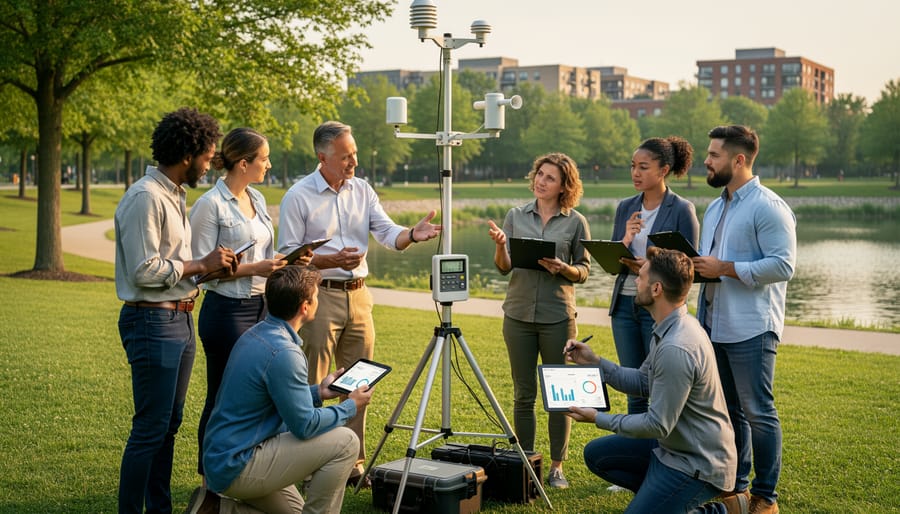
The science-policy interface serves as the bridge between environmental research and the decisions that shape our communities. When scientists collect data on air quality, water contamination, or habitat loss, that information doesn’t automatically become policy. It travels through a translation process where researchers, policymakers, and often community members work together to turn findings into actionable guidelines.
Environmental assessments form the foundation of this process. Before a new development project proceeds or a pollution regulation takes effect, scientists conduct studies to measure potential impacts. These assessments examine everything from soil composition to wildlife migration patterns, creating a factual baseline that informs decision-making.
Data collection happens at multiple scales. Federal agencies monitor broad trends like greenhouse gas emissions, while local universities might track watershed health or urban heat islands. Increasingly, citizen scientists contribute valuable observations through community monitoring programs, adding ground-level context that professional researchers might miss.
Expert consultation brings specialized knowledge into policy discussions. Environmental scientists, public health professionals, and ecologists present their findings to legislative committees, planning boards, and regulatory agencies. They explain complex concepts in accessible terms, highlight trade-offs, and help officials understand both immediate and long-term consequences of proposed actions.
This collaborative process works best when it flows both ways: scientists learn what information policymakers need, and officials explain what’s politically feasible, creating policies grounded in both evidence and reality.
Key Components of Sustainable Environmental Policy
Effective environmental governance rests on five interconnected pillars that work together to protect ecosystems while supporting human communities. These core components shape how sustainable policies translate scientific understanding into tangible action:
- Climate action: Strategies to reduce greenhouse gas emissions, adapt to changing conditions, and build energy resilience through renewable transitions and conservation measures
- Biodiversity protection: Safeguarding native species, preserving habitats, and maintaining ecological corridors that support both wildlife and ecosystem services
- Resource management: Systems for sustainable use of water, soil, forests, and minerals that balance current needs with long-term availability
- Pollution control: Regulations and practices that minimize contamination of air, water, and soil while addressing legacy pollution issues
- Community resilience: Building local capacity to withstand environmental shocks through emergency preparedness, economic diversification, and social cohesion
Strong environmental policy integrates these elements rather than treating them as separate concerns. A climate action plan that ignores biodiversity creates new problems. Pollution controls that overlook community economic impacts face resistance. The most successful policies recognize how environmental health, economic vitality, and social equity reinforce each other. When communities participate in shaping these components, policies better reflect local conditions, available resources, and shared priorities, making implementation more effective and equitable.
Who Can Participate: Eligibility and Roles in Environmental Governance

Individual and Family Participation
Everyday people shape environmental policy more than they realize. You don’t need a science degree to make a difference, communities gain power when families track local water quality, attend city council meetings on green infrastructure, or join neighborhood sustainability committees.
Citizen science offers a direct path to influence. Residents monitor air pollution near schools, document wildlife corridors threatened by development, or test soil health in community gardens. These observations become evidence that officials use in policy decisions, with research showing integrating citizen science strengthens environmental governance when paired with professional data.
Public hearings let you speak directly to decision-makers about proposed regulations, zoning changes, or environmental impact assessments. Arrive prepared with specific concerns, like how a new development affects local trees or stormwater runoff, and you’ll often find officials receptive to resident expertise about neighborhood conditions.
Local environmental committees need your participation. Many towns have sustainability commissions, climate action task forces, or watershed councils open to volunteers. Members review policies, recommend improvements, and connect residents to implementation projects. If your family recently researched solar system cost or figured out how many panels you need, that practical knowledge helps committees design better incentive programs.
Grassroots advocacy works. Start a petition for bike lanes, organize neighbors to comment on tree protection ordinances, or coordinate with other families to request composting programs. Small, persistent actions accumulate into policy change.
Community Organization and Collective Action
Community groups amplify individual voices and translate local environmental concerns into meaningful policy influence. Neighborhood associations often serve as the first point of contact between residents and decision-makers, organizing meetings to discuss issues like stormwater management, urban tree canopy loss, or air quality concerns. These groups collect member input, document environmental conditions, and present unified positions to city councils and planning boards.
Environmental organizations bring specialized knowledge and advocacy capacity that individual participants typically lack. A local watershed group, for instance, can conduct stream monitoring, interpret data trends, and propose science-based restoration policies. They also provide training workshops that help community members understand environmental assessment reports and participate effectively in technical discussions.
Coalitions unite diverse stakeholders around shared environmental goals. When a coalition includes residents, businesses, faith communities, and schools, it demonstrates broad support for sustainable policies and makes elected officials more responsive. These partnerships can launch community composting programs, advocate for renewable energy incentives, or push for green infrastructure standards in new developments.
Collective action creates accountability structures that ensure policies translate into real-world improvements. Community groups monitor implementation, report shortfalls, and celebrate progress, maintaining pressure and momentum over years-long policy cycles.
How to Engage in Environmental Policy Development and Implementation
Finding Local Environmental Policy Opportunities
Discovering environmental policy opportunities in your community starts with knowing where to look. Begin with your local government website’s environmental or sustainability department page, where agencies typically post upcoming public meetings, comment periods for proposed regulations, and calls for advisory committee members. Sign up for email alerts and newsletters to receive automatic notifications about new initiatives.
Check your city council or county board meeting agendas regularly, environmental items often appear under planning, zoning, or public works. Many municipalities now livestream meetings and post recordings online, making it easier to stay informed even with a busy schedule.
Beyond official channels, connect with local environmental groups, neighborhood associations, and sustainability networks. These organizations often track policy developments and share opportunities through social media, community bulletin boards, and monthly newsletters. Libraries and community centers frequently post notices about public hearings and workshops.
Your regional planning commission and state environmental agency websites contain information about larger-scale policy initiatives that affect your area. Don’t overlook university extension programs, which often bridge academic research and community action while publicizing relevant policy engagement opportunities.
Making Your Voice Heard Effectively
Once you’ve identified where to participate, the next challenge is making your input genuinely effective. Decision-makers receive countless comments, so yours needs to stand out through clarity, credibility, and constructive framing.
Start by doing your homework. Read the proposal thoroughly, review any supporting scientific studies, and understand the timeline and decision-making process. Ground your comments in specific facts rather than general opinions. For example, instead of saying “This will harm our environment,” reference particular data: “The environmental assessment on page 12 shows this project would remove 40 acres of wetlands that currently filter runoff for Smith Creek watershed.” Cite peer-reviewed research, local environmental monitoring data, or documented community observations to strengthen your position.
Structure your comments strategically. Open with your clear stance, then provide your strongest evidence-based reasons. If you’re speaking at a hearing, practice staying within time limits, typically two to three minutes. Written comments allow more detail, so organize them with headers and numbered points for easy reference. Always connect environmental science to real community impacts: explain how policy decisions affect local air quality, water safety, green space access, or climate resilience.
Building coalitions amplifies your voice significantly. Connect with neighbors, local environmental groups, and other community organizations who share your concerns. Coordinated efforts, where multiple people submit complementary comments highlighting different aspects of an issue, demonstrate broad community engagement. Collaborative approaches often mirror the same implementation steps needed for successful community projects: identify shared goals, divide research tasks, and present a unified but diverse perspective.
Maintain a respectful, solutions-oriented tone even when you disagree strongly. Propose alternatives backed by evidence rather than simply opposing plans. Decision-makers respond more favorably to stakeholders who acknowledge complexity while offering constructive paths forward grounded in both scientific understanding and community values.
Launching Community-Led Environmental Initiatives

Starting your own environmental initiative transforms concern into concrete action. Begin by identifying a specific local environmental challenge through observation and community conversations, whether it’s water quality concerns, loss of green space, waste management gaps, or energy inefficiency in public buildings. Gather baseline data through simple assessments: photograph problem areas, count affected community members, measure waste streams, or use accessible citizen science tools to test water or air quality. This evidence strengthens your case when approaching officials.
Once you’ve documented the issue, recruit a core team of committed neighbors, present your findings at community meetings, and develop a clear, achievable project proposal. Successful initiatives typically start small with visible wins: a pilot composting program, a neighborhood rain garden, or energy audits for willing households. As you demonstrate results, work with municipal staff to adopt community policies that scale your solution citywide. Document your methods, outcomes, and lessons learned, this creates a roadmap other communities can follow and builds credibility for larger projects.
Rights, Responsibilities, and What to Expect
Your Rights in Environmental Decision-Making
When you participate in environmental policy processes, you’re not just offering opinions, you’re exercising legal rights designed to ensure transparent, inclusive decision-making. These rights vary by jurisdiction but share common principles rooted in environmental law and democratic governance.
- Access to information: You can request environmental impact assessments, pollution data, and technical studies that inform policy decisions, often through freedom of information laws.
- Notice and notification: Agencies must publicly announce proposed environmental policies, regulatory changes, and development projects that may affect your community, typically through official notices, websites, and local media.
- Meaningful participation: You have the right to submit written comments, speak at public hearings, and have your input genuinely considered before final decisions are made.
- Due process: If an environmental decision directly affects you, you may have the right to appeal or request administrative review through established legal channels.
Understanding these rights helps you recognize when agencies aren’t following proper procedures. If you’re notified of a major zoning change affecting local wetlands with only 48 hours to comment, that’s likely inadequate notice. If your detailed scientific concerns about water quality are ignored without explanation, you may have grounds to challenge the decision. Many environmental advocacy organizations offer free guidance on asserting these rights effectively, and some provide legal support when procedural violations occur. Knowing what you’re entitled to transforms participation from a courtesy into an empowered act of environmental stewardship.
Effective and Ethical Engagement
Effective participation means bringing verifiable information to the table, not just personal preferences. Before speaking at a hearing or submitting comments, review the available data, consult credible sources, and ground your arguments in evidence. If you’re advocating for renewable energy infrastructure like off-grid solar in your neighborhood, cite local studies on energy use, feasibility assessments, and cost-benefit analyses rather than relying solely on anecdotes.
Respectful dialogue matters even when you disagree. Listen actively to other stakeholders, acknowledge differing perspectives, and focus on shared goals like cleaner air or protected green spaces. Avoid personal attacks or dismissive rhetoric. Decision-makers respond better to constructive proposals than vague complaints.
Long-term commitment makes the difference. Environmental policy doesn’t change overnight. Attend multiple meetings, follow up on promises, track implementation progress, and hold officials accountable. Build relationships with other engaged residents so your collective voice grows stronger over time. Sustained, respectful advocacy rooted in facts creates lasting environmental improvements that benefit the whole community.
Where to Get Help and Additional Resources
Government and Official Channels
Most environmental policy work starts at the local level, often through your city or county planning and environmental departments. These offices manage zoning decisions, environmental impact reviews, and sustainability plans that directly affect your neighborhood. Visit their websites to find meeting schedules, draft policies under review, and contact information for staff specialists who can answer technical questions.
State environmental agencies oversee broader regulations and coordinate regional initiatives. They maintain public portals where you can submit comments on proposed rules, access environmental monitoring data, and find grant opportunities for community projects. Many offer free technical assistance programs that help communities interpret scientific studies or design local environmental assessments.
Federal agencies like the Environmental Protection Agency provide foundational resources including policy guidance documents, scientific databases, and toolkits for community engagement. Their regional offices work directly with local stakeholders and can connect you with relevant programs.
University extension services bridge the gap between research and practice, offering workshops, fact sheets, and direct consultations on environmental topics. These services translate complex scientific information into actionable guidance for community projects, often at no cost to residents and local groups.
Community Networks and Support Organizations
Community networks and support organizations offer invaluable resources for anyone navigating environmental policy engagement. Start by searching for local environmental nonprofits, many run workshops, provide technical assistance, and connect residents with experienced advocates who can guide you through policy processes.
National organizations like the Environmental Defense Fund, Sierra Club, and The Nature Conservancy maintain local chapters that organize community meetings, host training sessions, and coordinate advocacy campaigns. These groups often provide templates for public comments, fact sheets on current policy issues, and mentorship from seasoned environmental activists.
University extension programs frequently offer free environmental leadership courses and connect participants with scientific expertise. Community colleges and continuing education centers also run workshops on topics like environmental assessment, sustainable planning, and civic engagement.
Online platforms such as Citizen Science Alliance and regional sustainability forums create virtual communities where you can ask questions, share experiences, and collaborate on projects with people facing similar challenges. Many regions have Facebook groups or Slack channels dedicated to local environmental action, offering real-time support and coordination.
Don’t overlook neighborhood sustainability committees and faith-based environmental groups, these grassroots networks provide peer support and often have deep knowledge of local political dynamics.
Success Stories: Communities Leading the Way
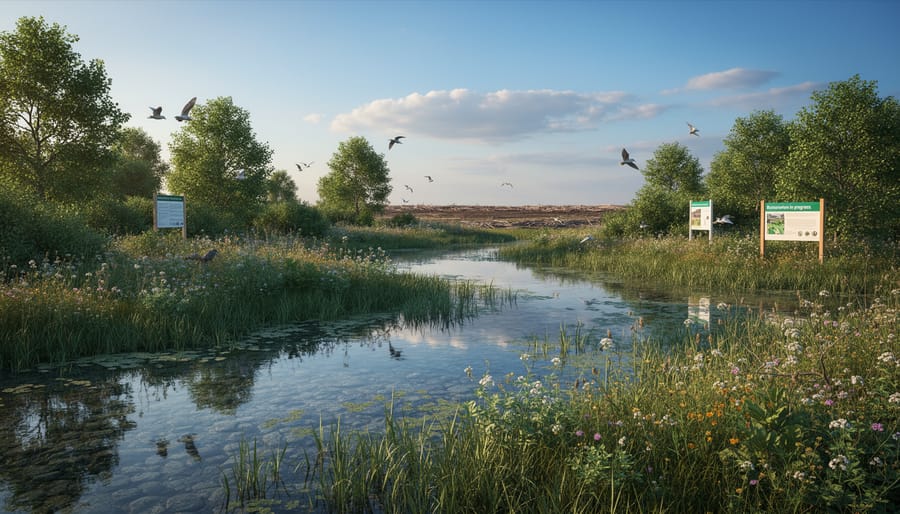
In Portland, Oregon, a coalition of neighborhood associations partnered with city planners and university researchers to transform their stormwater management approach. Frustrated by combined sewer overflows polluting local waterways, residents launched a citizen science program to map pollution sources and document water quality. They presented their data at public hearings, leading to a citywide policy shift toward green infrastructure. Today, Portland has over 2,000 bioswales and green streets, reducing stormwater runoff by millions of gallons annually while creating community gathering spaces.
The small farming town of Decorah, Iowa shows how rural communities can lead on climate policy. When severe flooding hit in 2008, residents didn’t just rebuild, they organized. A diverse group including farmers, business owners, and retirees formed the Winneshiek Energy District to study climate resilience and renewable energy. They conducted local energy audits, hosted town halls with climate scientists, and drafted policy recommendations. Their work led to county adoption of a climate action plan, a community solar garden serving 200 households, and flood mitigation measures that protected the town during subsequent storms.
In Richmond, California, a predominantly working-class community near oil refineries, residents transformed environmental health policy through persistent engagement. The Asian Pacific Environmental Network and community members collected air quality data, documented health impacts, and organized hundreds of residents to attend planning commission meetings. Their evidence-based advocacy resulted in stronger refinery safety regulations, a $90 million community benefits agreement, and establishment of a community health fund. Asthma-related hospital visits dropped 40% within five years.
These communities succeeded by combining scientific evidence with local knowledge, building broad coalitions, and maintaining sustained engagement with policy processes. They started small, learned as they went, and demonstrated that ordinary people equipped with good information can reshape environmental governance to serve their communities’ needs.
How to Apply or Complete the Process
While environmental policy participation doesn’t typically require a formal “application” in the traditional sense, getting involved does follow a structured process that varies depending on your chosen pathway.
For public comment opportunities, start by monitoring your local government’s environmental agency website or subscribing to their mailing list. When a relevant policy proposal appears, review the official documentation thoroughly, environmental impact statements, draft regulations, or planning documents. Submit your comment before the stated deadline using the specified format, whether email, online portal, or written letter. Include your name, address, and specific references to the policy sections you’re addressing.
To join an official advisory committee or environmental commission, watch for vacancy announcements on government websites. Application usually requires a resume, statement of interest, and sometimes letters of recommendation. Selection committees often seek balanced representation across different stakeholder groups.
For community-led initiatives without formal applications, the process is simpler: attend an initial public meeting, express your interest in participating, and commit to ongoing involvement. Many grassroots projects operate on a volunteer basis with flexible entry points.
The key is persistence, environmental policy engagement is cumulative, and showing up consistently matters more than any single formal step.
Common Questions About Environmental Policy Participation
Many people hesitate to engage in environmental policy because they underestimate their ability to contribute meaningfully. The questions below address the practical concerns and misconceptions that most often hold community members back from participation.
Do I need a science degree to participate in environmental policy?
No. While scientific literacy helps, effective participation relies more on local knowledge, community perspective, and willingness to learn. Many successful environmental advocates are teachers, parents, business owners, and retirees who bring diverse expertise and lived experience to policy discussions.
How much time does meaningful participation require?
It varies widely. You might attend one public hearing per year on an issue you care about, or commit to monthly committee meetings. Start small with occasional comment submissions or public meetings, then increase involvement as your schedule and interest allow.
Does individual participation actually influence policy outcomes?
Yes, especially at local and regional levels where decisions directly affect your community. Consistent, informed input from even a handful of residents can shape priorities, improve proposals, and hold officials accountable. Policy-makers regularly cite public feedback as a deciding factor in environmental decisions.
What if I disagree with officials or other community members?
Respectful disagreement is normal and healthy in democratic processes. Focus on evidence, share your reasoning clearly, and seek common ground where possible. Most environmental policy involves trade-offs, and diverse perspectives help identify balanced solutions that work for more people.
Remember that everyone starts somewhere, and your community perspective has value regardless of your technical background. The barriers to participation are often lower than they appear, and the learning process itself connects you more deeply to your local environment and governance systems.
Environmental science and policy for sustainable development isn’t reserved for scientists, policymakers, or environmental professionals. It’s a living process that grows stronger when everyday people bring their knowledge, concerns, and creativity to the table. Your perspective as a parent, neighbor, small business owner, or community member adds something irreplaceable to environmental decision-making, lived experience that no dataset can fully capture.
Every successful environmental policy begins with someone deciding their voice matters. The community garden that becomes a model for urban greening, the parent who questions a new development’s environmental review, the neighborhood group that pushes for better air quality monitoring, these aren’t extraordinary people with special credentials. They’re ordinary people who took that first small step.
You don’t need to master every technical detail or attend every meeting to make a difference. Start where you are. Sign up for one notification list. Attend one public hearing. Ask one question of your local environmental office. Join one community cleanup. Each action creates ripples that extend far beyond what you can see.
The sustainable future we’re building takes shape through thousands of local decisions, shaped by thousands of local voices. Your community’s environmental health depends on people like you showing up, speaking up, and staying engaged. The question isn’t whether you’re qualified to participate, it’s when you’ll take your first step.